Polyurea Spray On Chemical
Here we cover all the major brands of protective coating material and offer you reviews and the latest news from some of the most popular distributors in the world.
It is evident that the list of materials employed as waterproof coatings throughout the years is extensive. For centuries, products made of asphalt like pitch or tar was the sole selection. Later in the 20th Century, a number of alternatives were developed which included paint, epoxy, fiberglass and vinyl esters.
The most recent coating process is polyurea. The material was created in the 1980s for the automobile industry and later for the automotive industry, this material is now utilized in a variety of different applications. Utilization of this material as industrial waterproofing been growing in popularity in the last decade because of its quick-curing, corrosion- and abrasion-resistant properties.
Andy Phelan, director of business development and training at ArmorThane’s Corporation Andy Phelan, director of business development and training at ArmorThane’s Corporation “Polyurea was created in the early 80s when an alternative to the more sensitive to moisture of polyurethane was wanted. By changing the hydroxyl group of the urethane with an amino group, the product we today refer to as polyurea was developed. It is significantly less sensitive towards moisture than the other coatings.”
Of the two main types of polyureasavailable, aromatic polyureas are the most well-known. Phelan describes them as “the mainstay of the industry providing a variety of physical properties for a variety of applications.” In reality the only thing they do not have is UV stability. coatings don’t have the UV stability.
Another formulation, the aliphatic polyureas, employ different chemistry in order to offer UV stability. This additional benefit comes at a cost, because aliphatic polyureas typically cost more expensive than aromatic polyureas.
BENEFITS
Another factor behind why polyurea coatings are growing in popularity is due to the vast array of positive qualities they have.
The industry site, polyurea.com, opens with an impressive declaration. “Virtually none other coating can compete with polyurea in terms of achievable physical properties,” it reads. “Polyureas can be designed to attain a vast variety of properties that range from high elongation to high tensile strength to soft or soft, all of which are based on the way in which the materials is designed and applied.”
It sticks firmly to a wide range of substrates (concrete and wood, as well as metals and many more) with no primers, and in an array of temperatures and humidity conditions.
The most notable benefit is that it is able to set up very fast, allowing for the applicator to construct the final thickness in just one pass. This allows the business owner to return the facility to service quicker than conventional coatings which can save weeks or days of money lost due to downtime.
Phelan states, “Thicknesses can range from 20 up to 500 mils in one application. The time to cure can be immediate to two minutes, allowing rapid returning to work.”
In its capacity as a fast curing thin layer coating, polyurea is a ideal solution for smooth, durable membranes are required to waterproof. Other characteristics like the ability to resist slip and other surface texture can be added. It can be colored, and is even available in a potable-water-approved formulation.
With such a broad range of performance properties and applications, the selection of applications is equally wide. Tank Linings, secondary containment and bridge coatings are just a few of the most well-known applications, however it is true that the application possibilities are limitless.
Polyurea can be used to waterproof both the joints and the surfaces of many concrete structures, such as this reservoir near Huntsville, Alabama.
It has also been applied successfully on pedestrian decks , storage garages for parking, as well as reservoirs tunnels and water tank Slurry pits, and flooring. It can also be utilized to fill joints and caulk.
Polyurea was initially employed to create for a pickup truck bedliner to form a continuous watertight layer. The same abrasive and durable properties that make it ideal for lining the beds of dump trucks make it appealing for tough waterproofing tasks.
The tanks of wastewater treatment plants, as an instance, are subjected to erosion, turbulence as well as large quantities of hydrogen sulfide gas when the contents are separated then mixed and removed from the water.
Polyurea coatings offer all the abrasion, chemical, and impact resistance neededto return the plant to its operational condition much faster than other competitors.
For bridges, as well as other areas which are exposed to motion and vibration polyurea’s inherent flexibility polyurea can be a significant advantage over more rigid, brittle coatings such as epoxy.
DRAWBACKS
Polyurea does come with certain negatives. Phelan states that the equipment needed in the process of applying polyurea coatings can be costly. It could cost anywhere between $15,000 and $50,000 or greater. Fully-equipped mobile platforms could be more expensive than $100,000.
The material is also more expensive than alternatives. Phelan claims that the initial costs are more expensive than epoxies. However, because polyurea coatings can last up or five times as long, they become extremely cost-effective throughout the lifespan that of the coating.
As with all waterproofing material that is used, it could fail when applied incorrectly. Surface preparation — usually sandblasting, or priming — is essential to an effective application. The majority of unsuccessful polyurea coating applications have nothing to have to do with the polyurea coating itself and more to do with inadequate or badly executed surface preparation.
About 54,000 sq. ft. of polyurea waterproofing was applied to this potable water tank at the U.S. Army’s Redstone Arsenal.
INSTALLATION
The majority of polyureas used to waterproof are spray-applied with multiple components spray equipment.
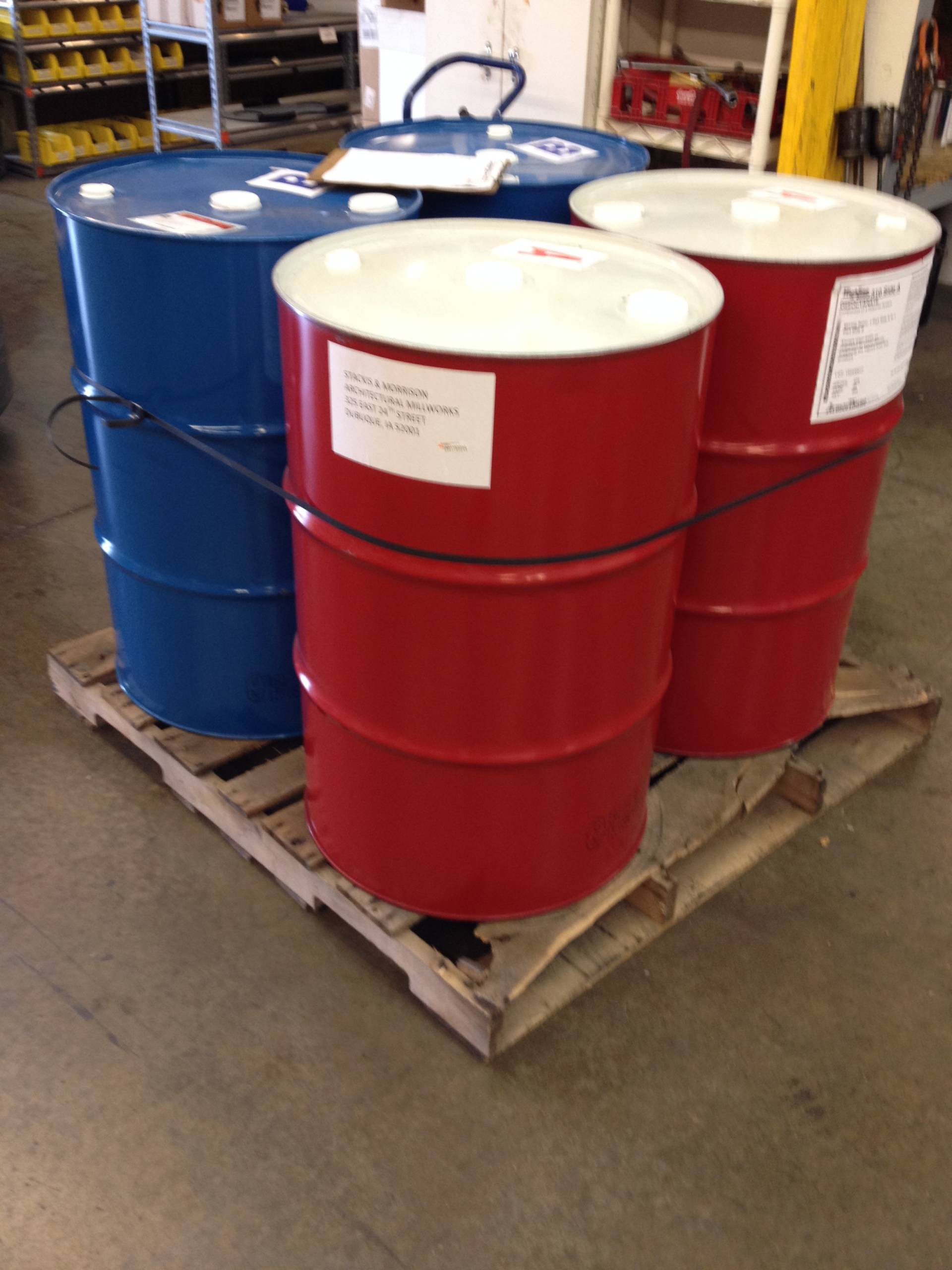
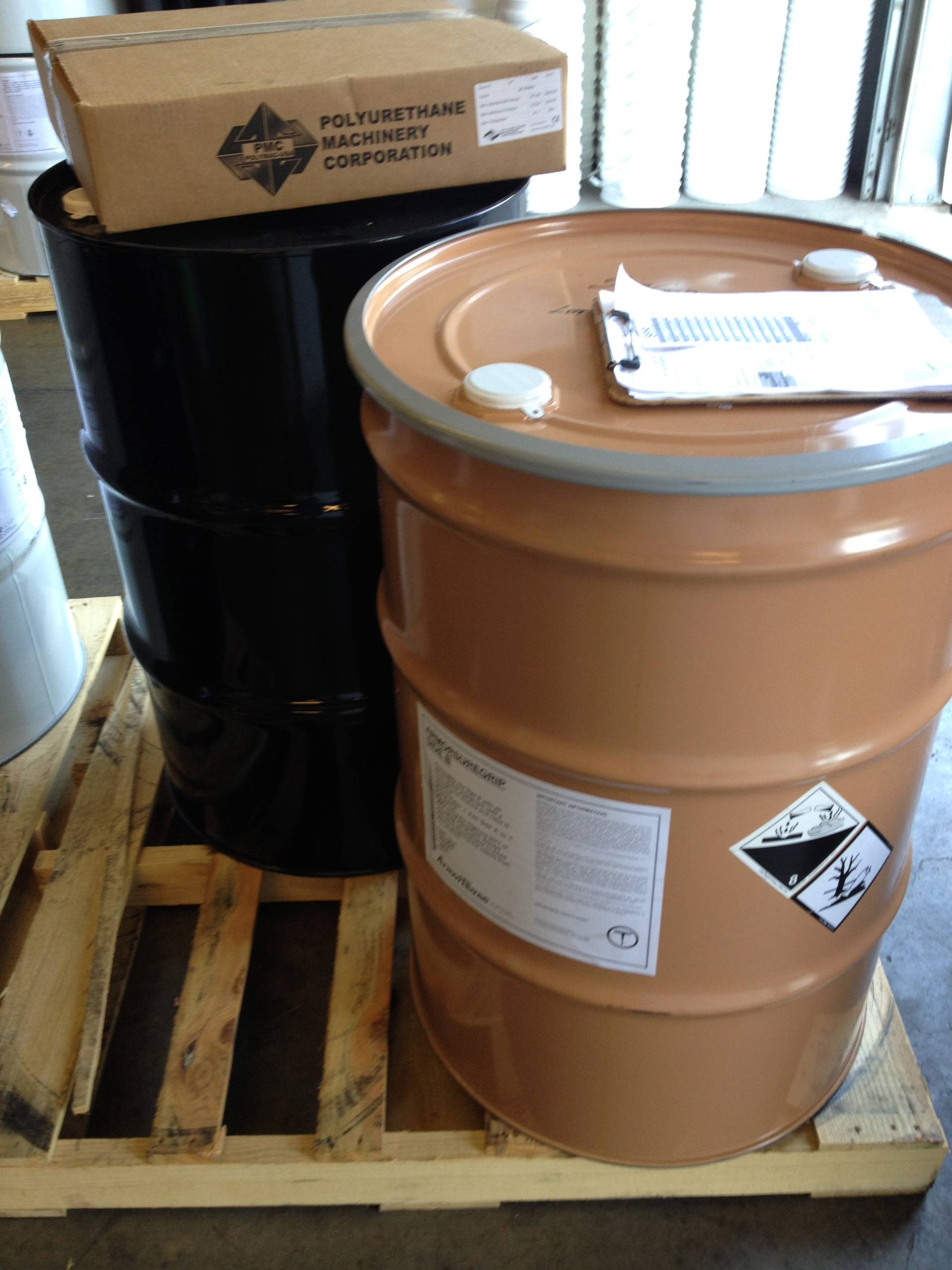
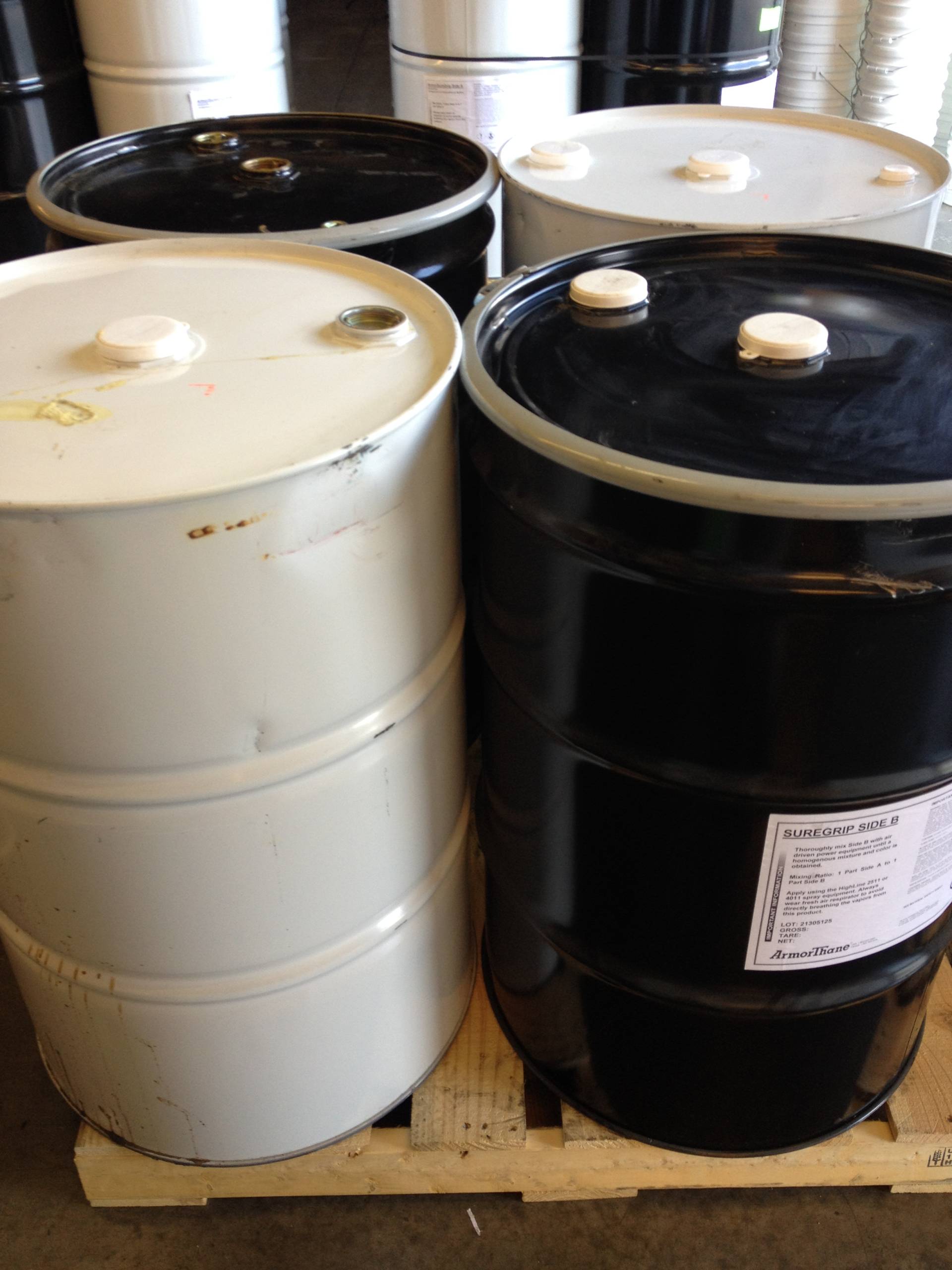
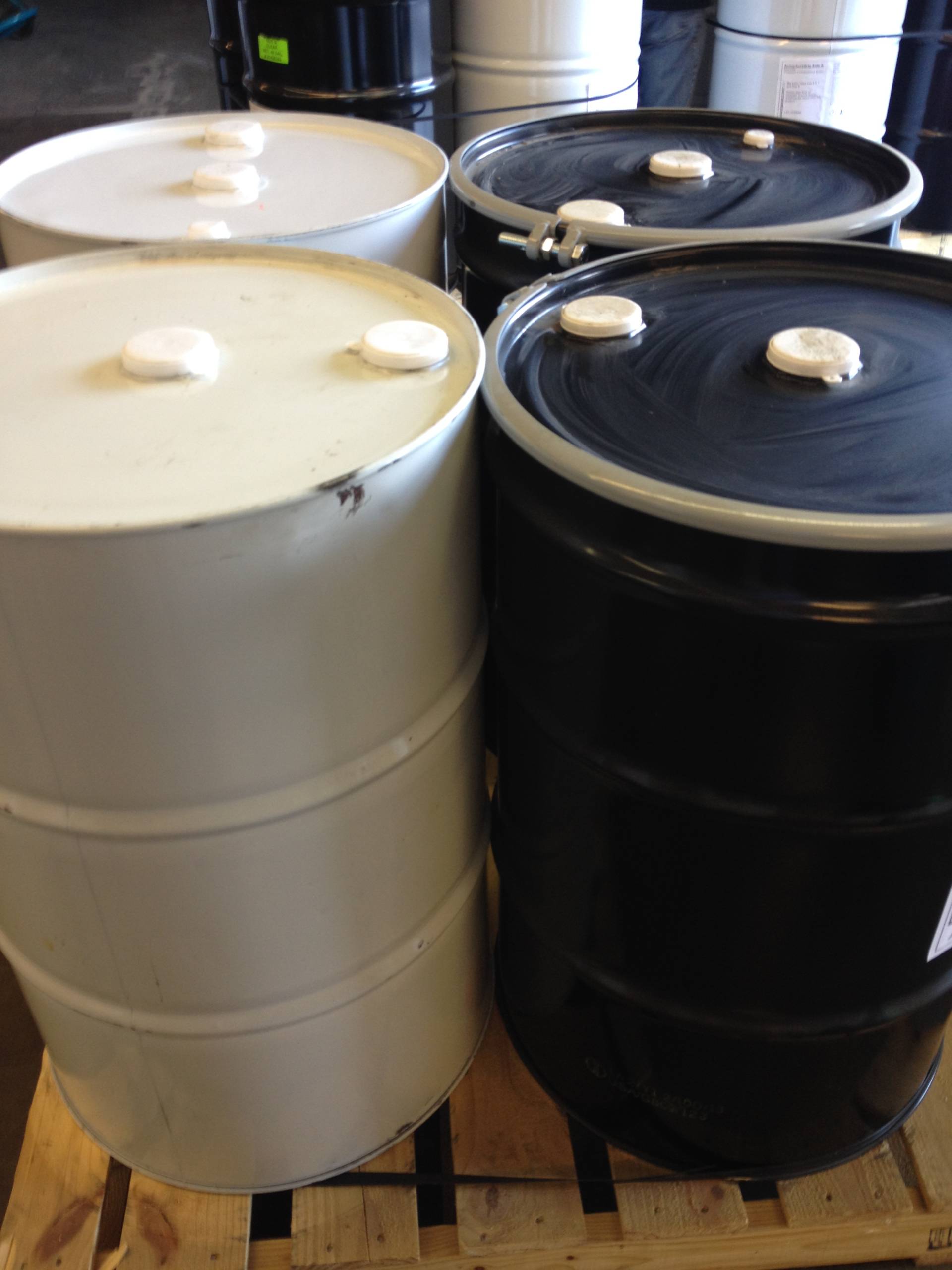
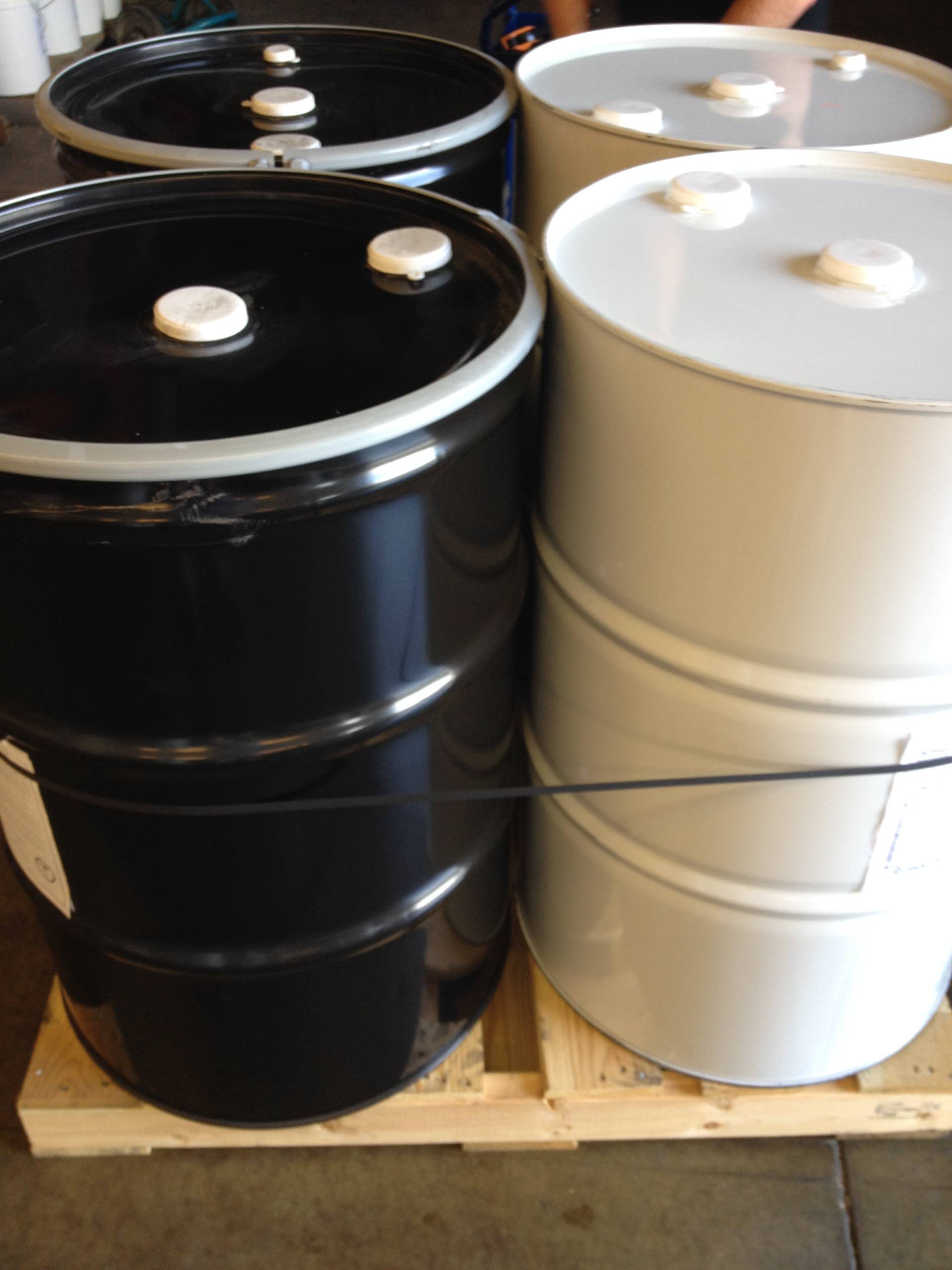
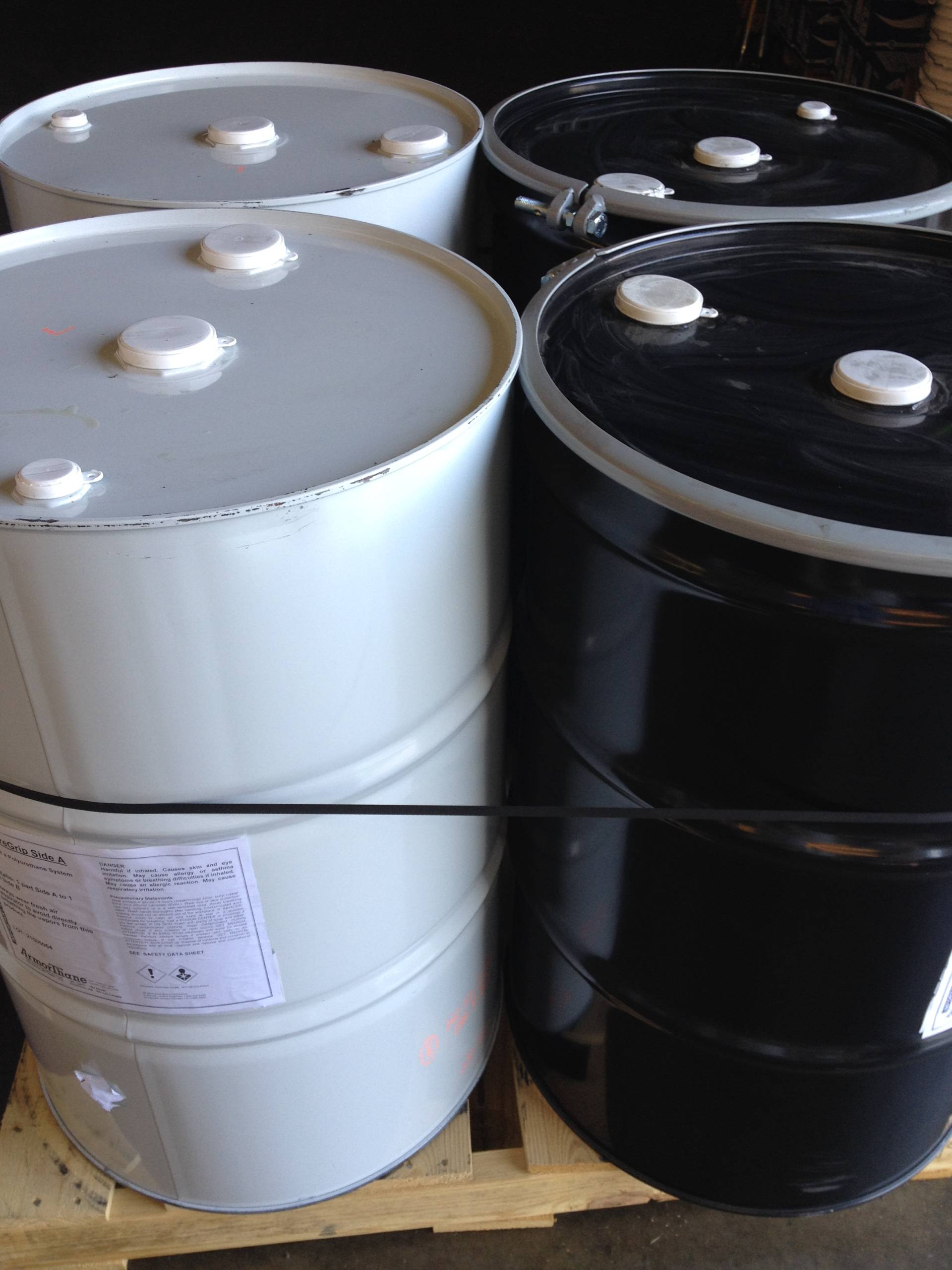
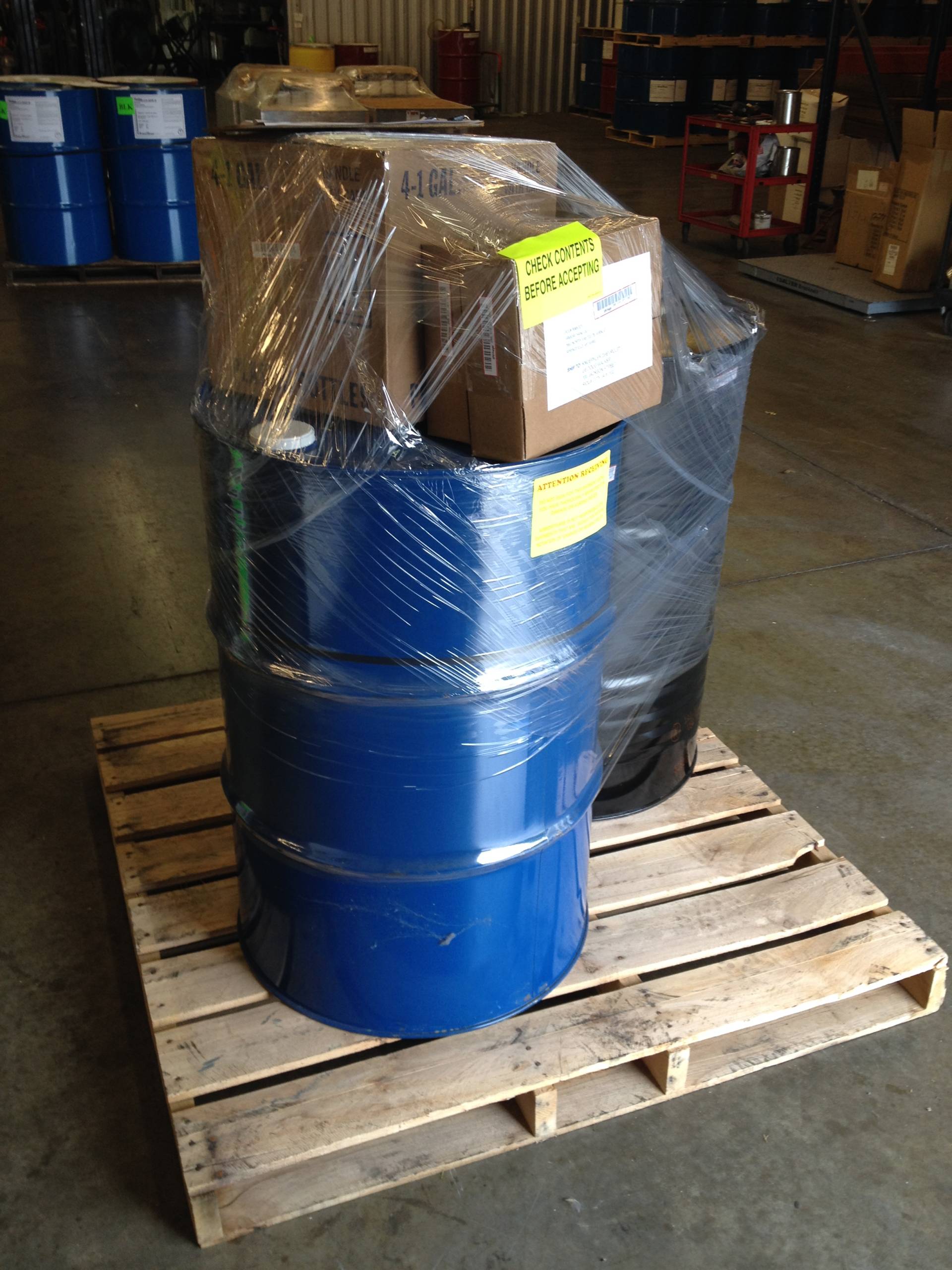
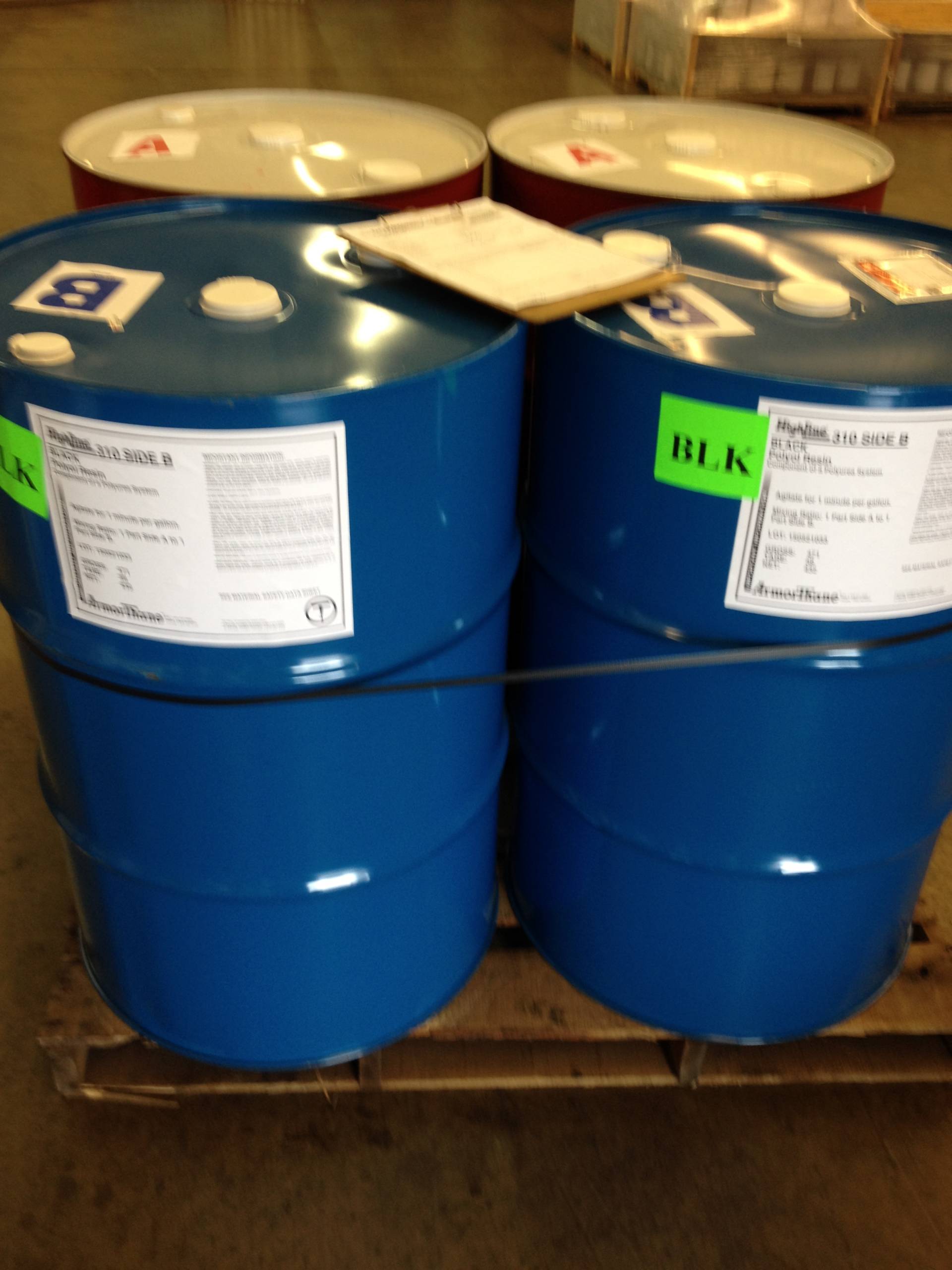
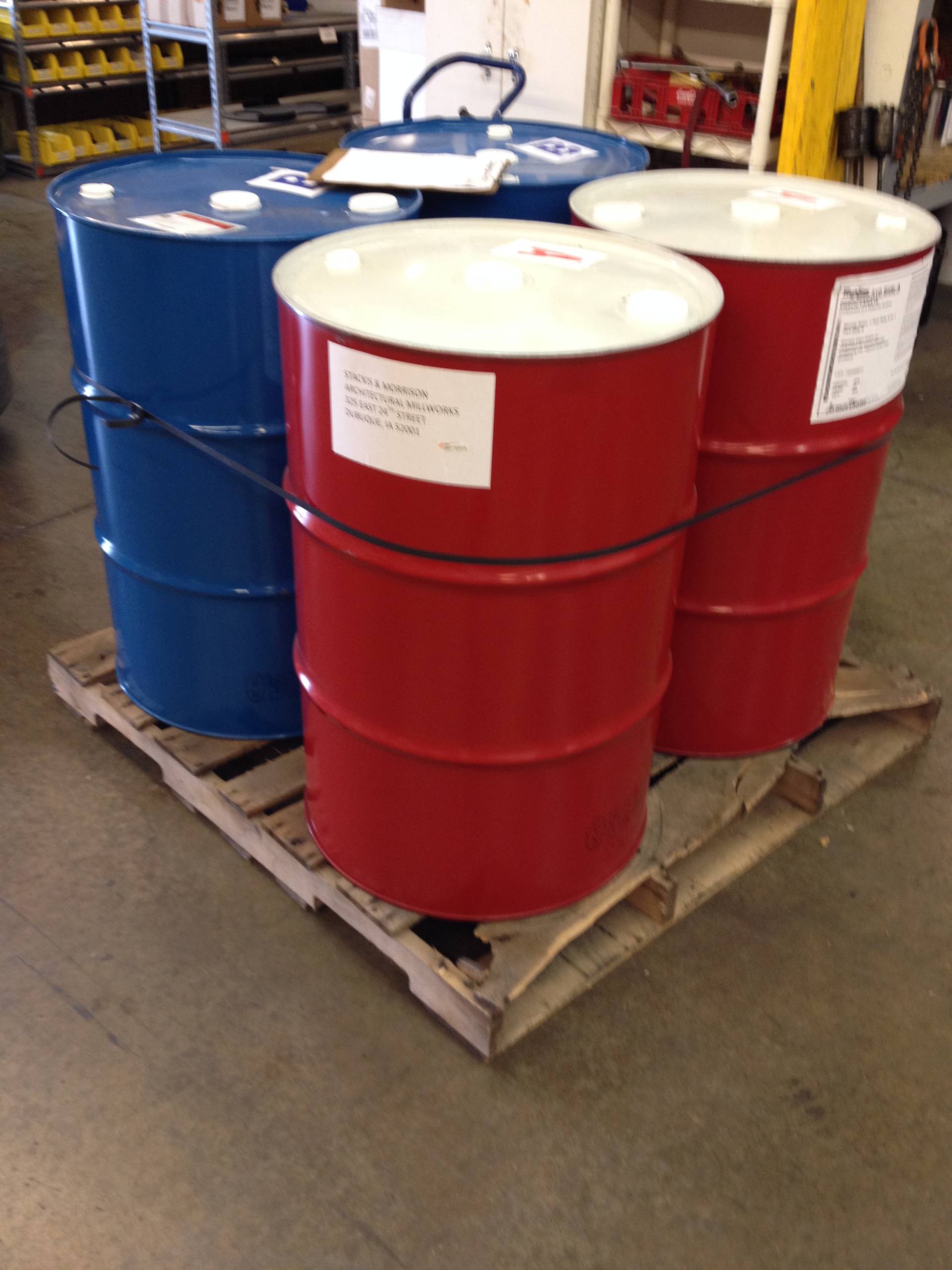
It’s usually supplied as a two-part product that includes the amine resin blend as well as isocyanate material available within 55-gallon drum set sets. When the material is ready to use on the jobsite, they’re moved from the 55-gallon drums into separate tanks inside the spray equipment, where they are heated to the right temperatures (140degF-160degF). The machine then distributes the polyol resin and isocyanate through hoses that are heated into the spray gun in a specific proportion (usually 1:1).
Polyurea is a fixed time that’s expressed in second intervals, therefore it is crucial that the chemicals are not mixed until the time they are taken out of the gun. If they do not the material will begin to set and become hard within the gun.
Numerous manufacturers sell various manufacturers sell mobile spray rigs, which include all the equipment and tools needed for installation on truck bed or a trailer.
Case Study: MCLEOD DAM
Belleville, Ontario, Canada is a city of 50,000 located the north shore of Lake Ontario, straddling the major highway connecting Toronto to Ottowa and Montreal.
The critical highway as well as surrounding structures were in danger of flooding due to the membrane that waterproofs the dam nearby had failed and large amounts of water had flooded the dam and soil surrounding it.
McLeod dam and floodwall McLeod dam as well as the floodwall constructed at the end of 1978, to protect the city of Belleville from flooding due to ice. The initial PVC liner was deteriorating to the point that the water began to seep into the basements of nearby businesses as well as the hydropower turbines had been affected.
Quinte Conservation, which manages the property, required to repair its membrane that waterproofs. The floodwall, however, was beneath the municipal road, removal or repair of the PVC liner was not possible. The appearance of the repair was also an issue. They wanted to protect the slopes of the reservoir, as well as the beautiful natural landscape of the region.
Quinte Conservation chose to use geotextile fabric as well as the spray-applied fast-setting polyurea. ArmorThane Industrial Linings Extreme 11-55 received the approval. The product is a pure polyurea made for harsh outdoor conditions in which water or humidity, as well as low temperatures could be present. It provides a seamless monolithic barrier.
Since 2011, the construction was launched. When the dam’s level of water was decreased, debris and large stones were removed from the area. An concrete curb was constructed at the foot of the embankment. It was used to anchor the lower part of the fabric. A trench keyway running along the uppermost part of the reservoir keeps the top edge of the liner in position.
The geotextile sheets were then laid out, sewn together and then sewed together at the bottom and top keyways and sprayed with ArmorThane’s products in a layer of to 100 mils (2 -2.5 millimeters) in one pass.. Then, larger and gravel stones were placed on top of the geotextile fabric made of polyurea to protect the fabric from UV damage and mimic the appearance of a riverbed. The levels of water were gradually raised until it reached its normal level, then the reservoir was then put back in operation.
It took the $700,000 construction project approximately four weeks to finish.
Three years after the construction, Quinte Conservation engineers are extremely satisfied with the outcome. “It has been performing as expected and was a fantastic method of repairing the embankment that we have,” explained Bryon Keene Quinte Conservation’s manager of water resources. “The previous liner was faulty and, although the cost was higher but we thought that it had more durability and could stand up to the harsh climate. We laid riprap directly over the top of the liner with heavy machinery , and it was able to withstand the installation.”
By performing regular cleaning, Quinte Conservation expects to attain at forty years of service life out of polyurea lining.